
Working longer for better health?
This is NPR what reported this week after new research from the University of Miami was been published. Is it surprising? Not really, there is plenty of anecdotal evidence correlating work with good health, we all know of someone who has stayed working into their twilight years and are ‘fighting fit’. However, this research found incredibly strong evidence that linked working for longer with good health, that which went beyond socio-economic factors such as education or income and their impact on health. This potentially means no matter what your background, it is fairly certain that working for longer is better for your health.
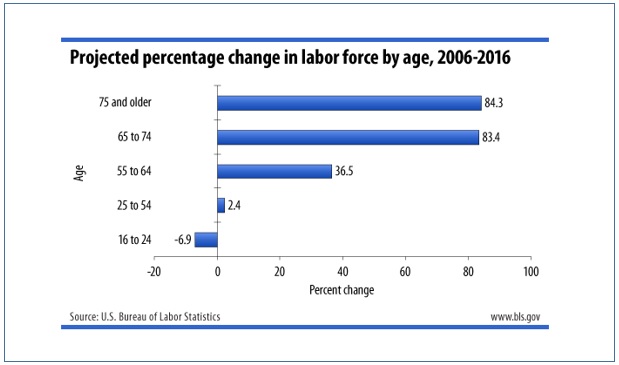
The research surveyed over 85,000 individuals over the age 65 (the median age was almost 75), and found that, generally, those who kept working were three times more likely to report being in good health, compared to those who had retired. This also went beyond physical health; those working into their 60’s and 70’s were less likely to problems with mental health too.
The study found that some groups reaped these rewards to a greater extent than others. Comparing ‘white-collar’ and ‘blue-collar’ workers, blue-collar workers that continued working were 15% less likely to report a chronic condition like diabetes, or heart disease than white collared workers.
Digging further into the research, it says “Being unemployed/retired was associated with the greatest risk of poor health across all health status measures, even after controlling for smoking status, obesity, and other predictors of health.”[1]
Unemployment is a greater risk to your health than smoking or obesity? Wow.
For Disability and Worker’s Compensation Insurance organizations this is big news. It is always our primary goal to get workers back to work as soon as they are able, but this research highlights how important it really could be for them to return to work.
But how can claim managers ensure that they are selecting the right claims to actively manage on a return to work pathway? The sheer volume of claims makes individual assessment almost impossible, but given the benefits that returning to work could have for claimants, we need to be confident in our decision making processes.
The Claim Lab has been working across this field for years, and has developed analytical models which can help claim managers determine how to direct claims. This draws upon huge volumes of data and historical claims to help predict future behaviors and outcomes, all in a user-friendly dashboard.
If this sounds like something that could help your organization and help your claimants, contact Ian at ibridgman@claimlab.org.
[1] Kachan D, Fleming LE, Christ S, Muennig P, Prado G, Tannenbaum SL, et al. Health Status of Older US Workers and Nonworkers, National Health Interview Survey, 1997–2011. Prev Chronic Dis 2015;12:150040. DOI: http://dx.doi.org/10.5888/pcd12.150040.